
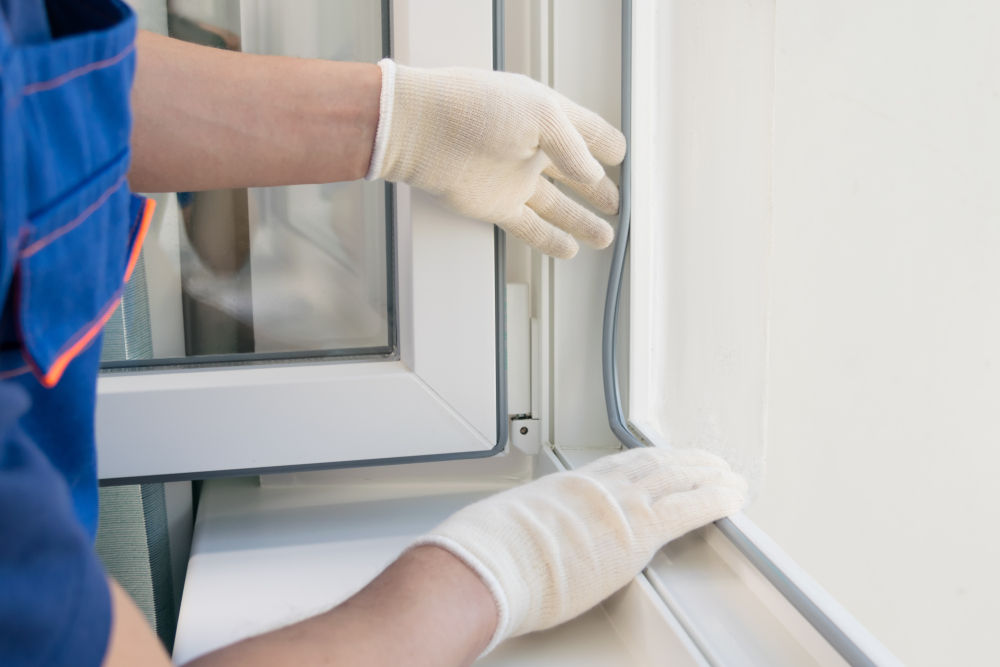
Investing in replacement windows is an opportunity to improve your home’s comfort, appearance, and energy-efficiency. However, window quality is only part of the equation. How it is measured, fitted, secured, and sealed can significantly affect its performance. Even a premium window can develop problems when important installation details are overlooked.
Installation Starts with Accurate Measurements
Every window opening deserves individual attention. Older homes, settling, and previous construction work can create openings that are slightly uneven or out of square. Assuming that every opening matches a standard size can lead to fitting problems.
Careful measurements help determine the appropriate replacement size and installation method. Getting these details right from the beginning supports a secure fit and reduces the need for adjustments during installation.
Gaps Around the Frame Can Let Air Through
New windows may not deliver the comfort you expect if air can move around their frames. Inadequate insulation or incomplete sealing can leave pathways for outdoor air to enter and conditioned air to escape.
These gaps may cause noticeable drafts and uneven temperatures near the windows. Proper insulation and sealing in the surrounding space help the installed window support a more comfortable indoor environment.
Water Protection Requires More Than Surface Caulking
A neat bead of caulk does not tell the whole story of a window installation. The opening also needs appropriate water-management details that account for the window design, wall construction, and installation method.
When these details are missed, rainwater may reach the materials surrounding the window. Repeated moisture exposure can affect interior finishes and concealed framing. Proper flashing, sealing, and drainage help direct water toward the exterior.
A Window Must Be Positioned Correctly to Work Properly
If a window frame is twisted, uneven, or pulled out of shape during installation, its moving parts may not function smoothly. You might find the sash sticks, the locks require extra force, or the window doesn’t close evenly.
Correct positioning, shimming, and fastening help maintain the frame’s shape. Testing operation during installation allows adjustments to be made before trim and other finishing materials are added.
The Opening Should Be Checked Before Moving Forward
Removing an old window can reveal damage that was not visible beforehand. Moisture-related deterioration or weakened materials around the opening may need attention before a replacement is installed.
Covering these conditions with a new window leaves the underlying issue unresolved. Inspecting and preparing the opening helps provide the support needed for a dependable installation.
Finishing the Job Includes Checking the Details
A completed installation should be evaluated for more than appearance. Opening and closing the window, testing the locks, and reviewing the alignment help confirm that it operates correctly.
The final review is also a good time to discuss basic maintenance and ask questions about the completed work. These checks help ensure the window is ready for everyday use.
Professional Window Installation with CGH Solutions®
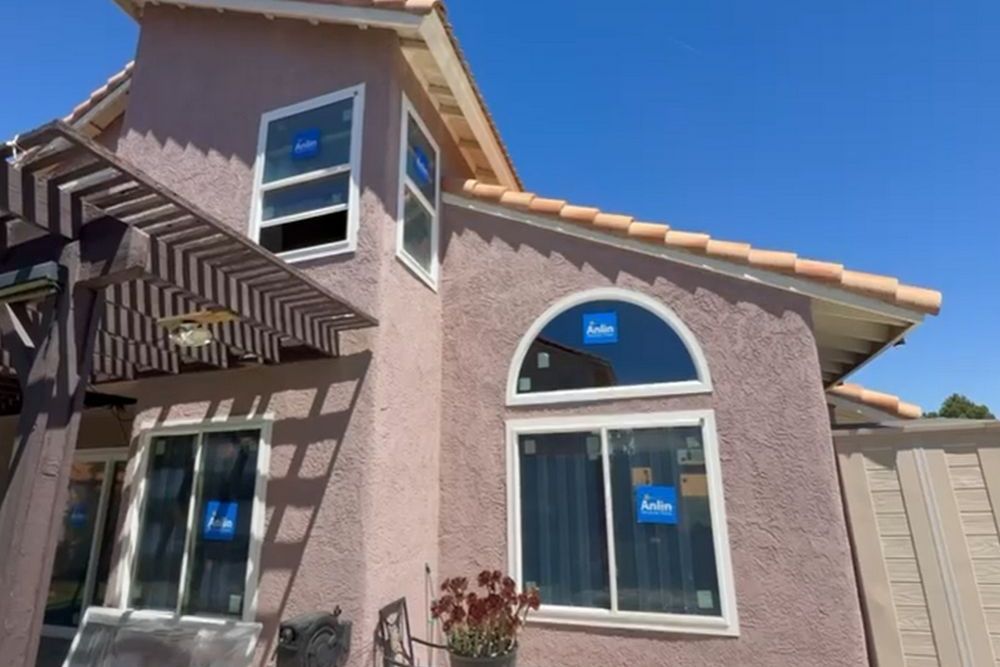
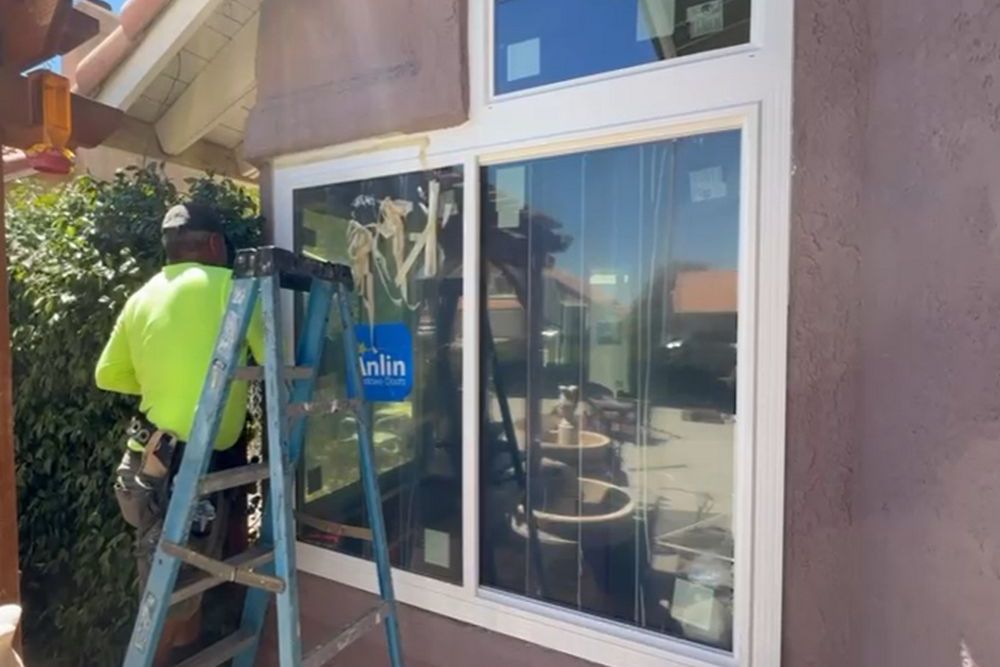
CGH Solutions® approaches window installation through a process that includes assessing your needs, taking custom measurements, installing the windows, and completing a final inspection and cleanup. That process includes secure fitting and proper sealing, helping homeowners get more value from their replacement project.
Help Your New Windows Perform Their Best
The installation deserves as much consideration as the windows themselves. Careful preparation and attention to fit, sealing, and operation can help prevent avoidable problems and support lasting performance.
Contact CGH Solutions® to request your free in-home consultation and take the next step toward professionally installed replacement windows.