
If you’re wondering whether your house needs new windows, you’re not alone. Windows affect comfort, energy bills, noise levels, and even how your home looks from the street. The good news is you don’t need to be an expert to spot the most common warning signs. By checking for drafts, rising utility costs, visible damage, and everyday performance issues, you can quickly determine whether it’s time to repair, reseal, or plan for complete window replacement.
Drafts, Temperature Swings, and Comfort Issues
One of the easiest ways to tell if your home needs new windows is how the rooms feel throughout the day. If you notice cold spots in winter or hot zones in summer—especially near window areas—air is likely leaking through worn seals, gaps, or aging frames. You may also feel a noticeable draft even when the window is closed, which often indicates it is no longer sealing properly. Additionally, if your HVAC runs nonstop yet certain rooms never feel comfortable, inefficient windows may be working against your heating and cooling system.
Higher Energy Bills and Poor Efficiency
When windows lose efficiency, your energy bill usually shows it. If your utility costs have climbed even though your usage habits haven’t changed, older windows could be allowing outside air to creep in and indoor air to escape. Single-pane glass, older double-pane units with failing seals, and warped frames can all reduce insulation. As a result, your air conditioner and heater have to work harder to keep up, which can increase wear on your system over time. Upgrading to modern energy-efficient windows can help stabilize indoor temperatures and reduce wasted energy.
Condensation, Foggy Glass, and Moisture Problems
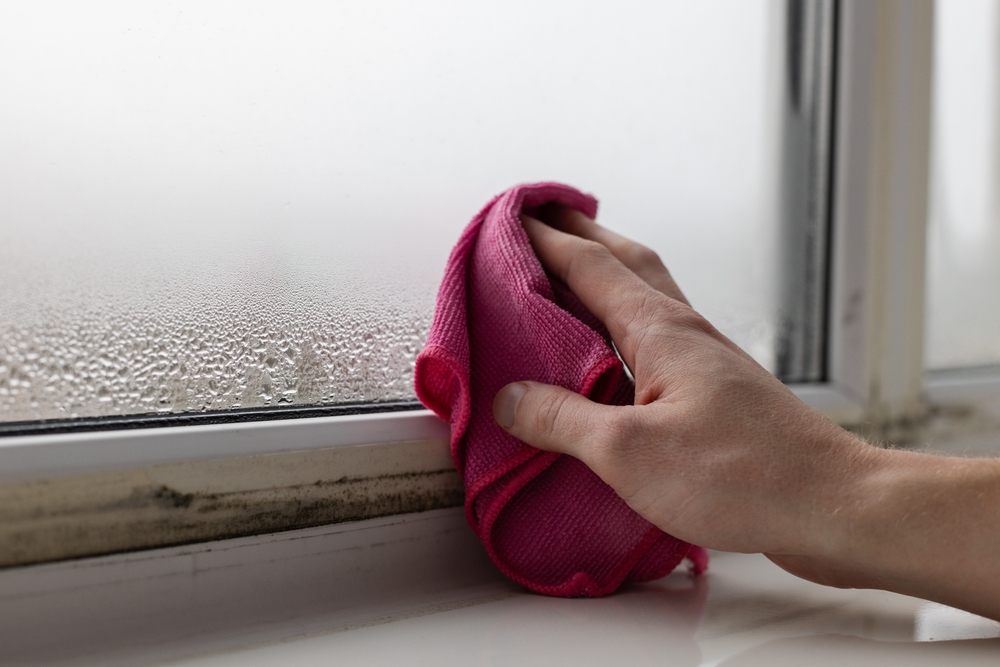
Moisture is another major clue. If you see fog or condensation trapped between two panes of glass, that often means the window seal has failed. Once that seal is compromised, the window loses much of its insulating power and may allow humidity to build up. You might also notice more condensation on the inside surface, especially in colder months. Over time, recurring moisture issues can lead to peeling paint, staining around window trim, or even mold growth, which is a strong sign that it’s time to consider replacement windows.
Difficulty Opening, Closing, or Locking Windows
Windows should operate smoothly and lock securely. If they stick, jam, or feel difficult to open and close, the frames may be warped, the hardware may be worn, or the balance system could be failing. In many homes, this problem becomes more noticeable as the seasons change and materials expand or contract. Beyond convenience, this can also affect safety and security. If your windows don’t lock properly or feel loose in the frame, replacement can improve both functionality and peace of mind.
If your home has drafts, uneven room temperatures, higher energy bills, foggy glass, moisture around the frames, or windows that won’t open and lock correctly, those are clear signs your house may need new windows. Also, if your windows are older and you’re seeing multiple issues at once, replacement is often the most practical long-term fix. Start by walking from room to room and noting where problems occur most often, then compare repair costs with replacement benefits. New windows can improve comfort, boost efficiency, reduce noise, and refresh the look of your home—all at once.
Get New Windows From CGH Solutions
Drafty rooms, noticeable temperature swings, and rising utility bills often point to windows that are no longer sealing or insulating as they should. Other common clues include fog trapped between glass panes, recurring condensation or moisture near the trim, and windows that are hard to open, close, or lock securely. CGH Solutions can inspect what’s going on, explain your best options, and help you plan a window upgrade that improves comfort, energy efficiency, and the overall look of your home. Call us at (844) 200-6244 or fill out our online form to get started.