
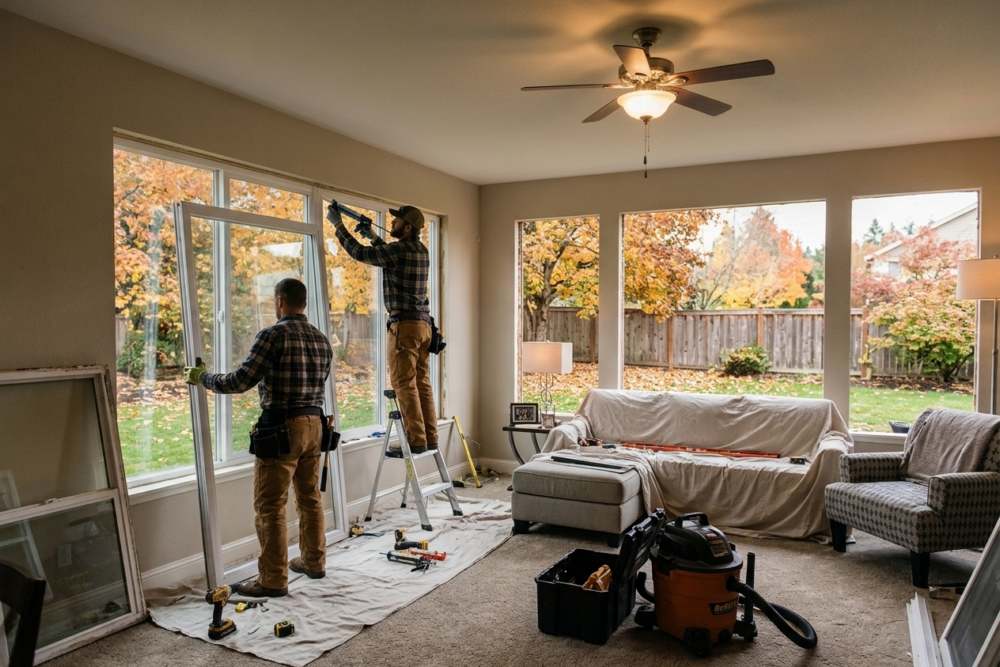
A window that seemed fine all summer can feel different on the first cool morning of fall. You might notice a draft while having breakfast or struggle to open the living room window on a mild afternoon.
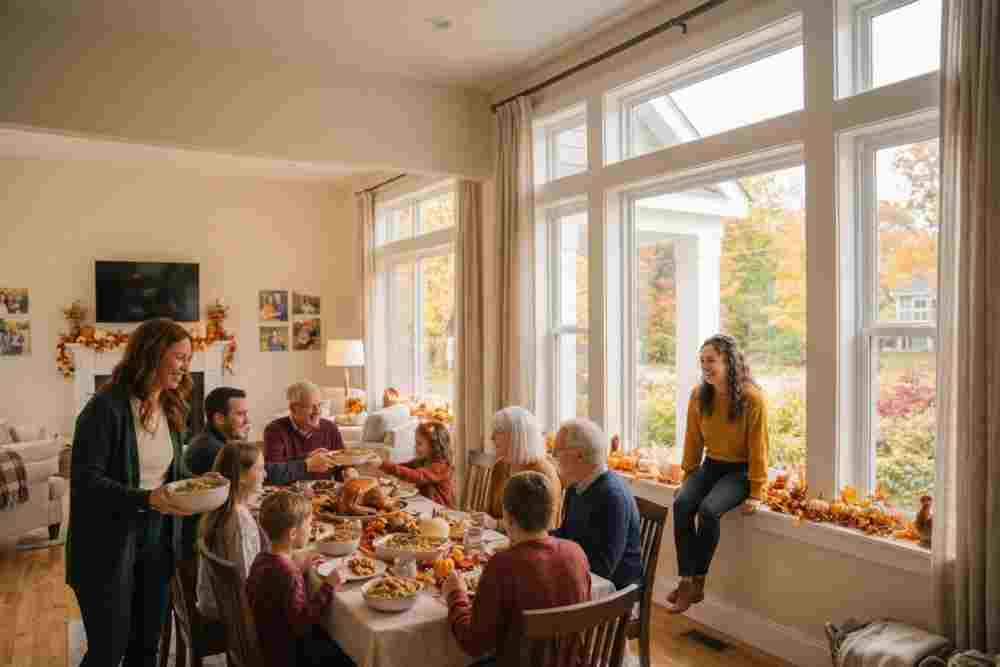
Hosting Thanksgiving puts your busiest rooms to the test. The kitchen fills with oven heat, guests pull extra chairs up to the dining table, and everyone eventually settles into the living room.
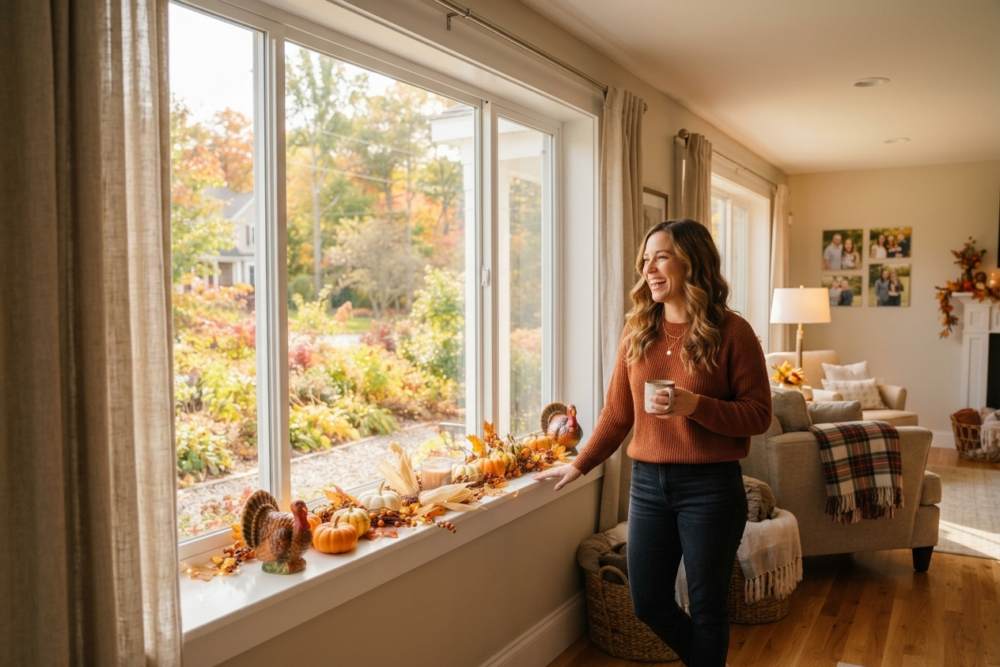
Thanksgiving has a way of making you notice how your home feels when everyone gathers.
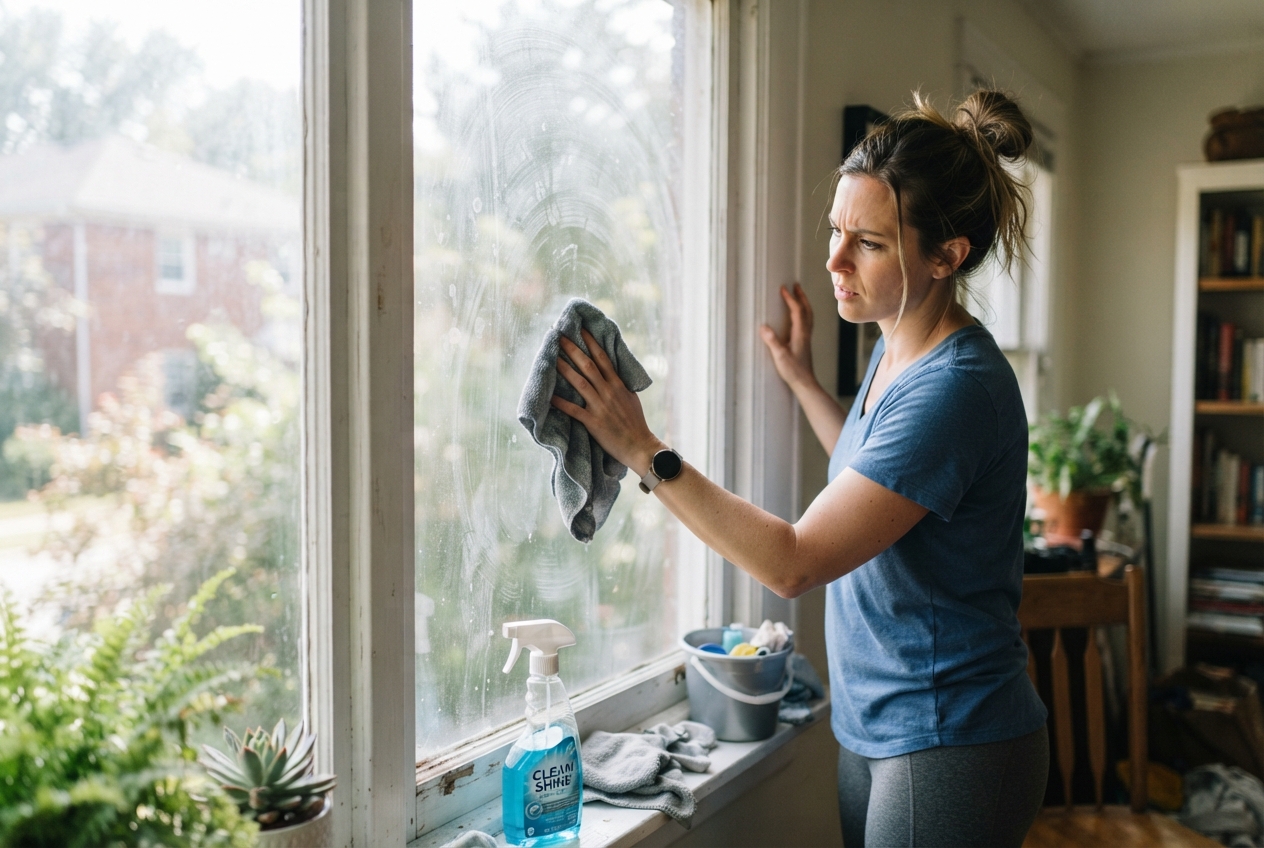
It’s easy to work around a window problem. You pull a little harder to close it, wipe the sill after it rains, or move your chair away from the draft.
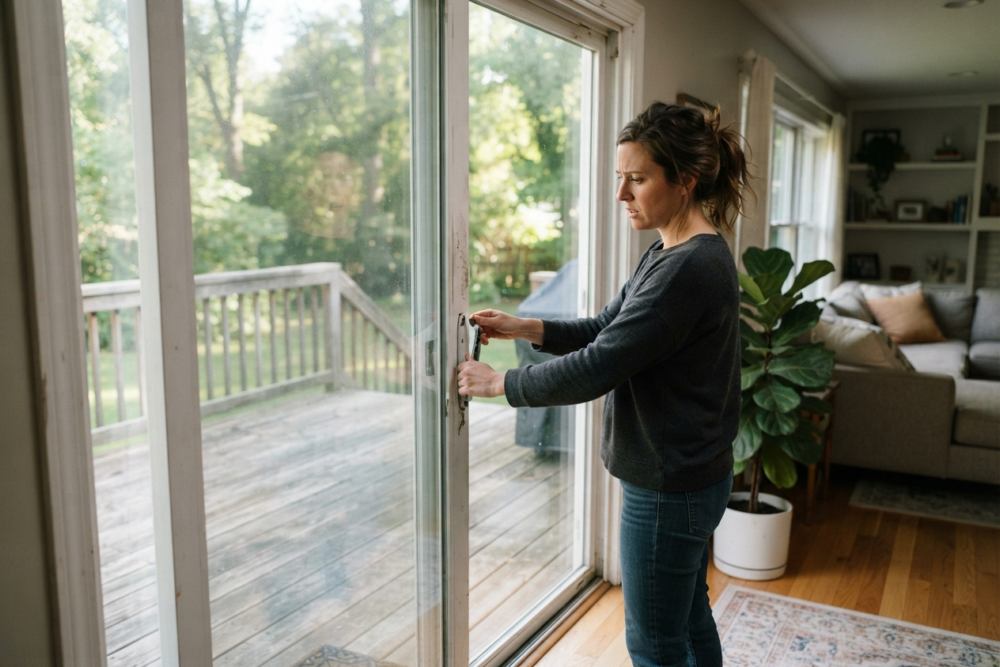
A sliding patio door can give you plenty of warning before it stops working. Maybe you’ve started using both hands to open it, lifting the panel to get the lock to catch, or putting a towel by the track every time it rains.
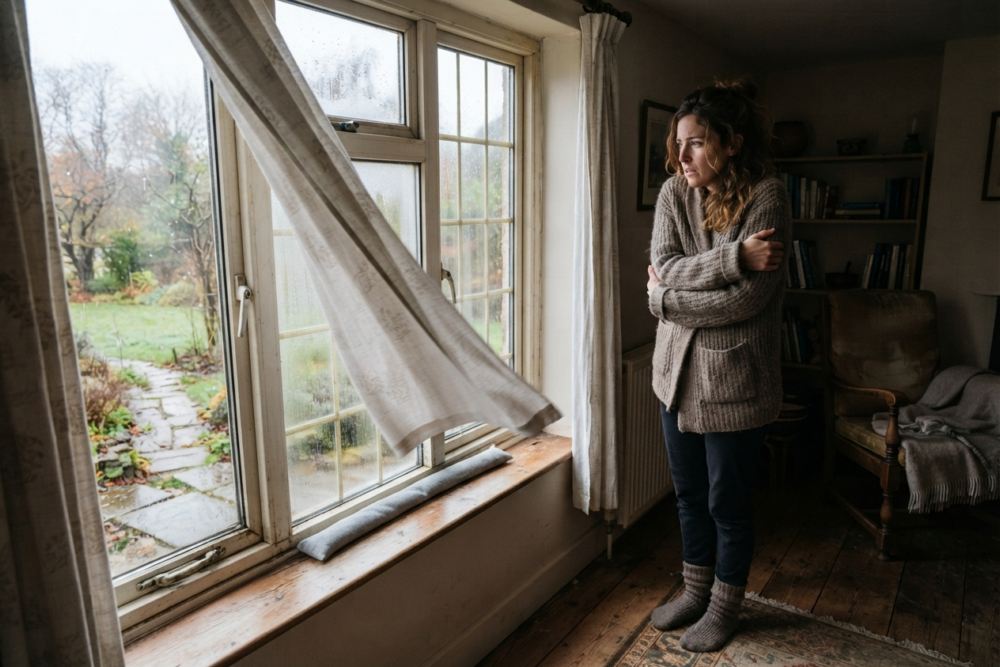
If your windows are older but still close securely, operate smoothly, and keep water out, you likely have time to plan a replacement.
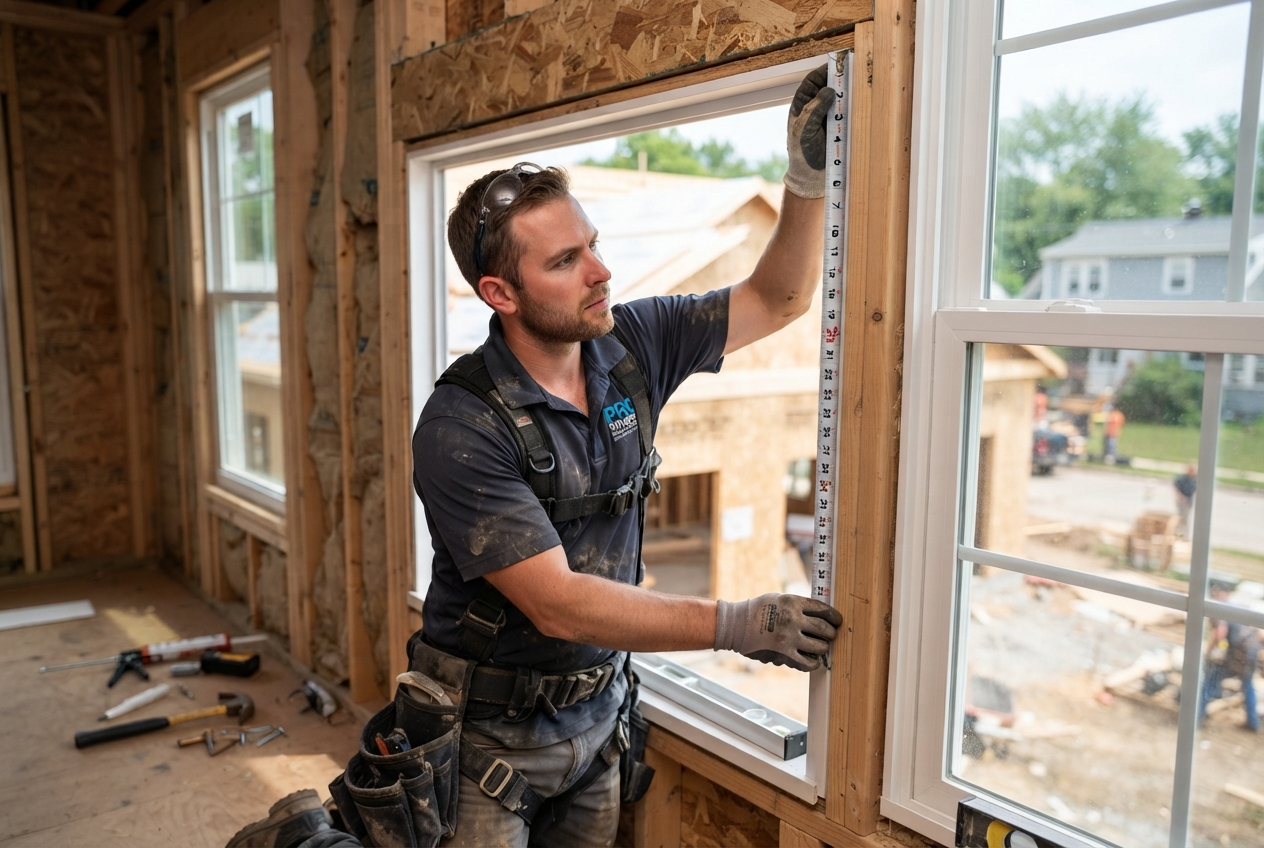
A window replacement involves much more than fitting new glass into an existing opening. Behind the finished trim are details that affect airflow, water drainage, and everyday operation.
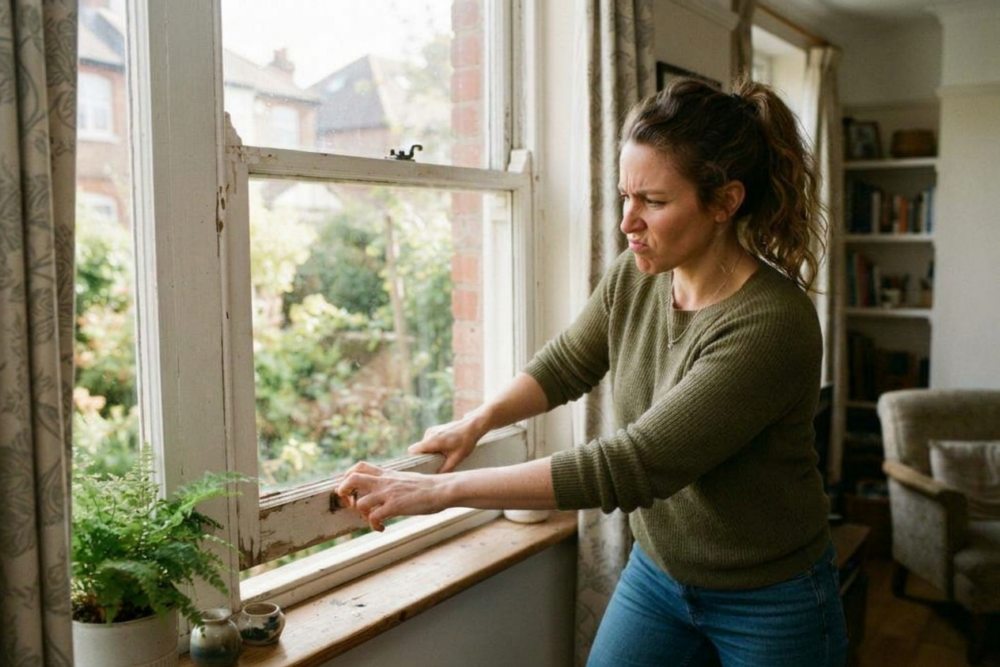
Keeping older windows may seem reasonable when the glass is intact and the frames still look presentable. However, appearance does not always reflect performance.
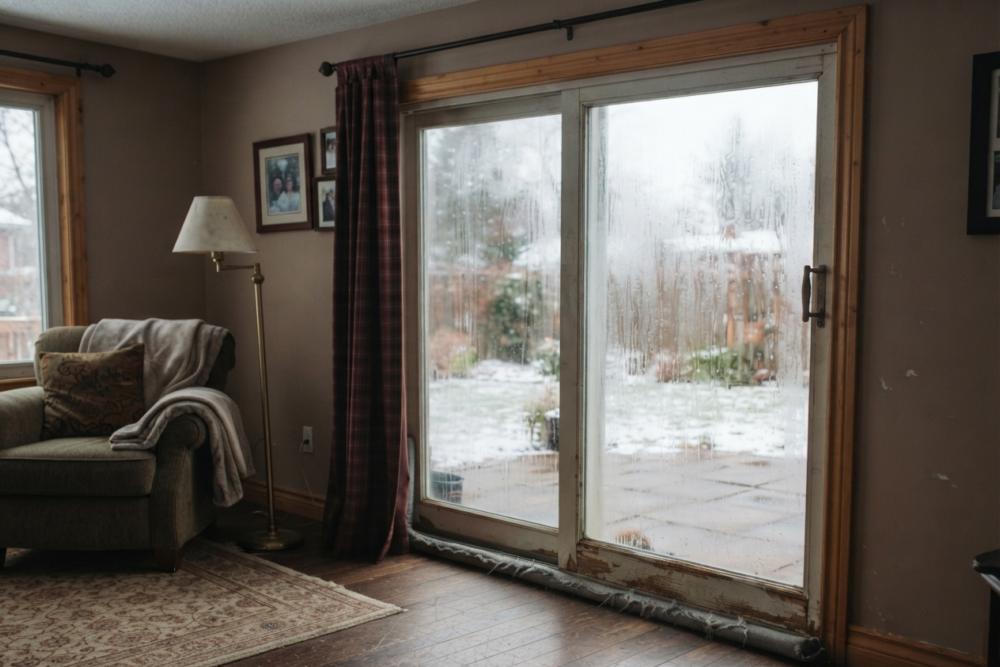
It is easy to put off replacing a patio door when it still opens and closes. However, a door that sticks, lets in drafts, or no longer locks reliably may already be affecting your daily comfort and convenience.
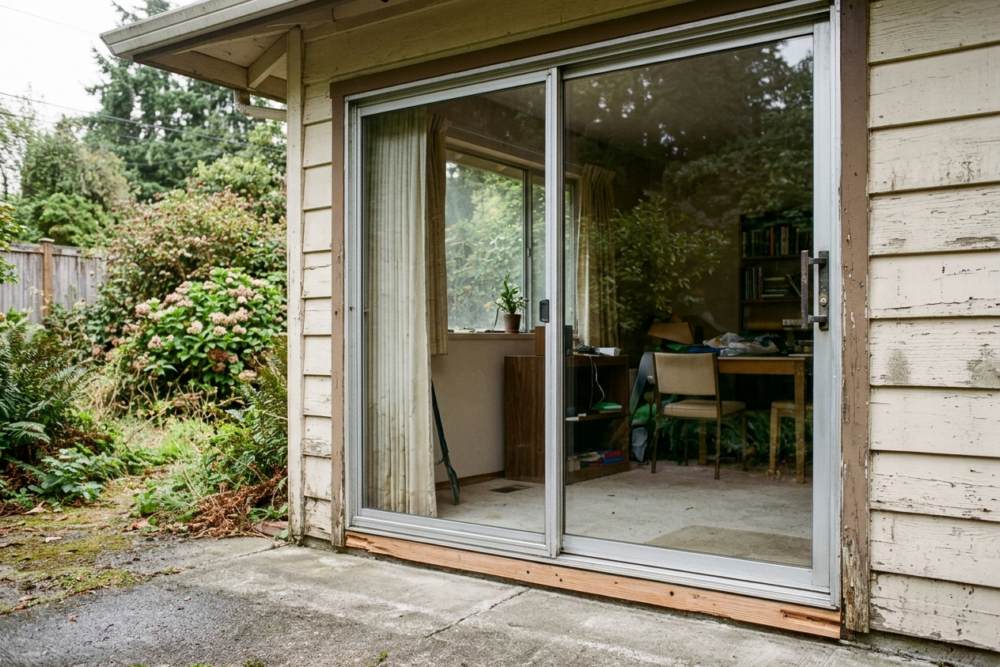
An old patio door can stand out even when the rest of your home feels thoughtfully updated. Worn frames, cloudy glass, and a door that struggles to slide can affect both the appearance and everyday enjoyment of your living space.