
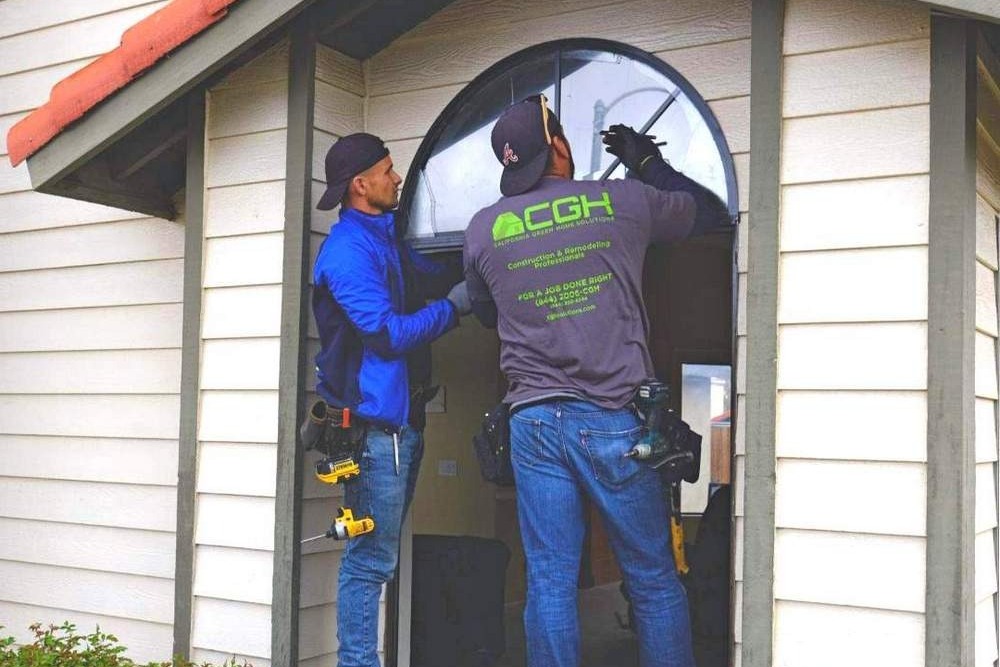
Spring is an ideal time to prepare your home for the warmer months ahead, and replacing old windows is one upgrade that can make a noticeable difference.
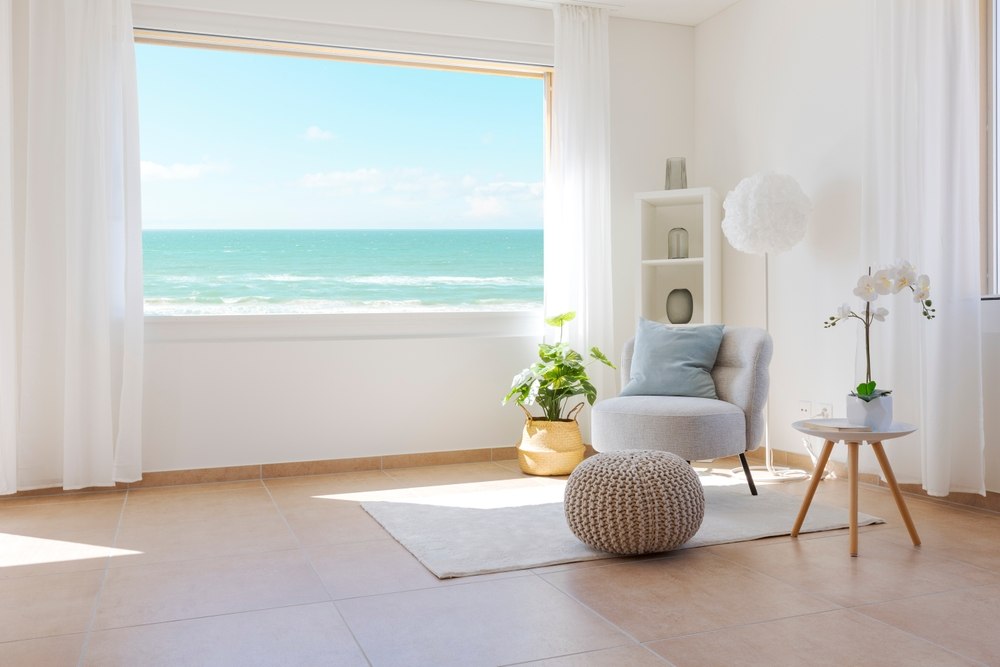
Living near the coast is a dream, but salty air, strong winds, and constant moisture can be tough on your home’s exterior.
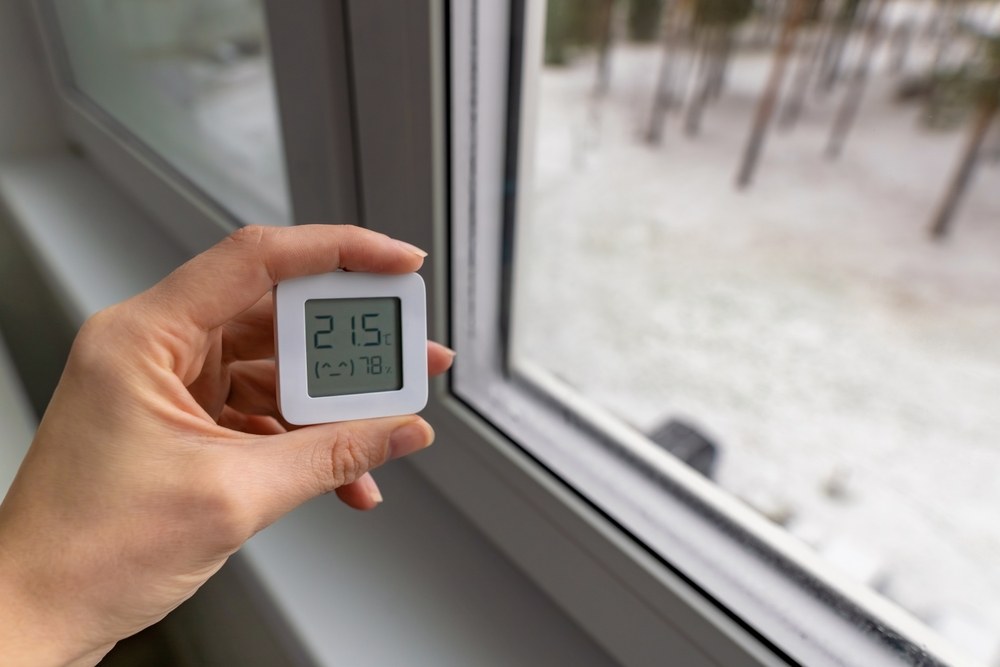
Indoor air quality is closely tied to how well your home controls moisture, and your windows play a bigger role than most people realize.
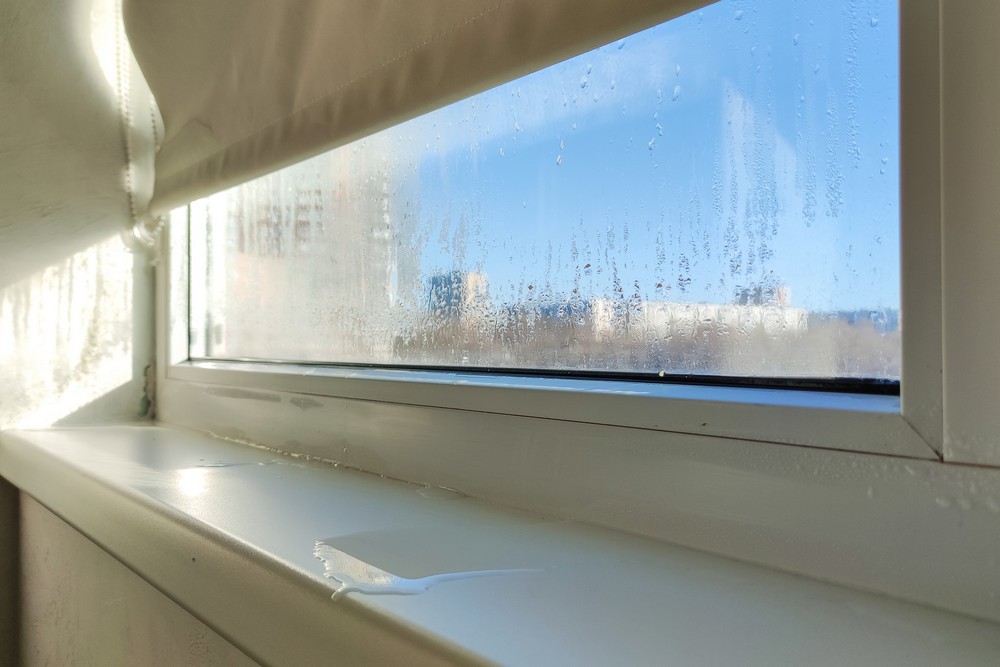
Old windows can quietly drag down your comfort, energy use, and even your home’s condition.
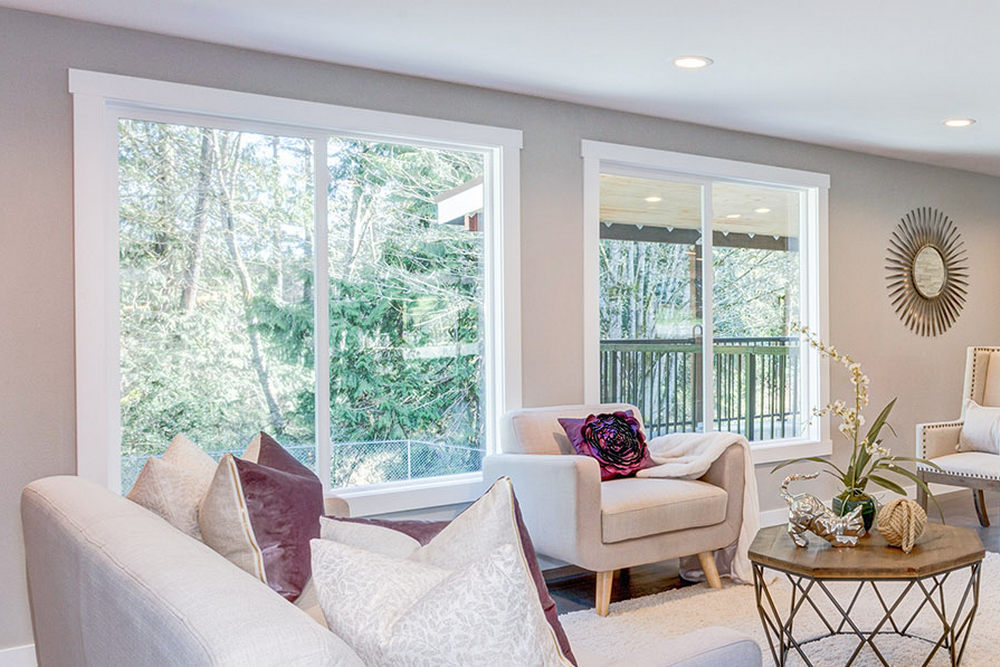
Vinyl slider windows have become a go-to choice for many Southern California homeowners, and it’s easy to see why.
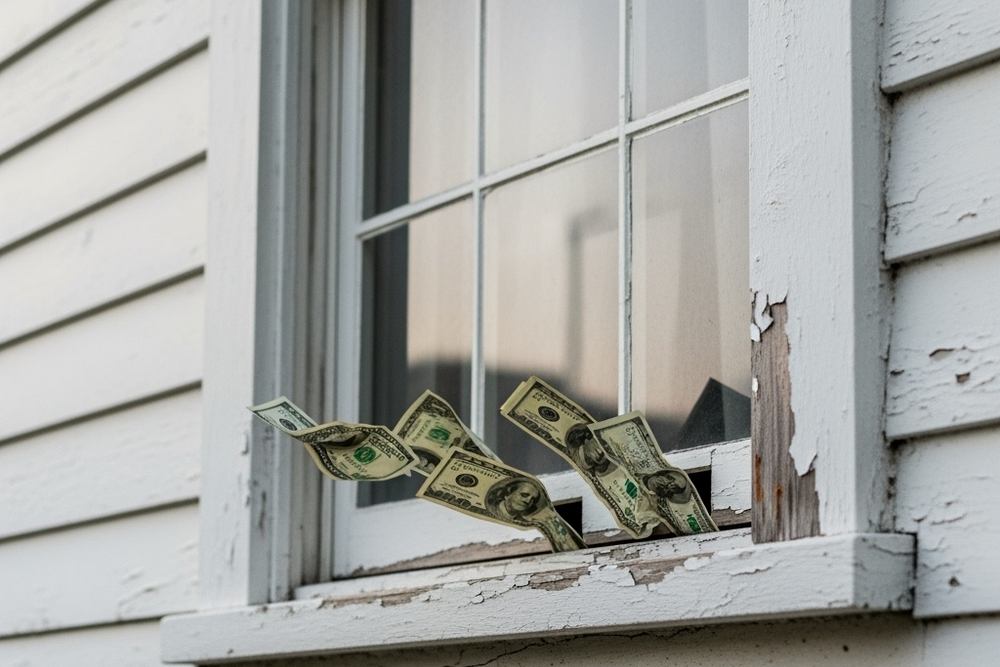
If your home still has older windows, you may be paying for them every single month without realizing
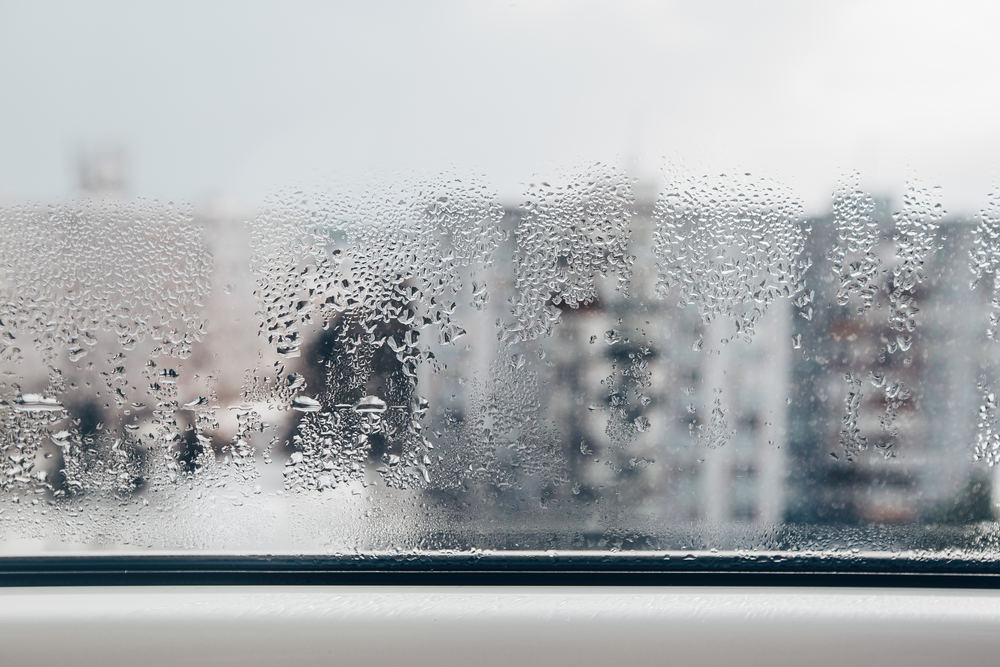
When temperatures drop, window problems stop being minor annoyances and start affecting your everyday comfort.
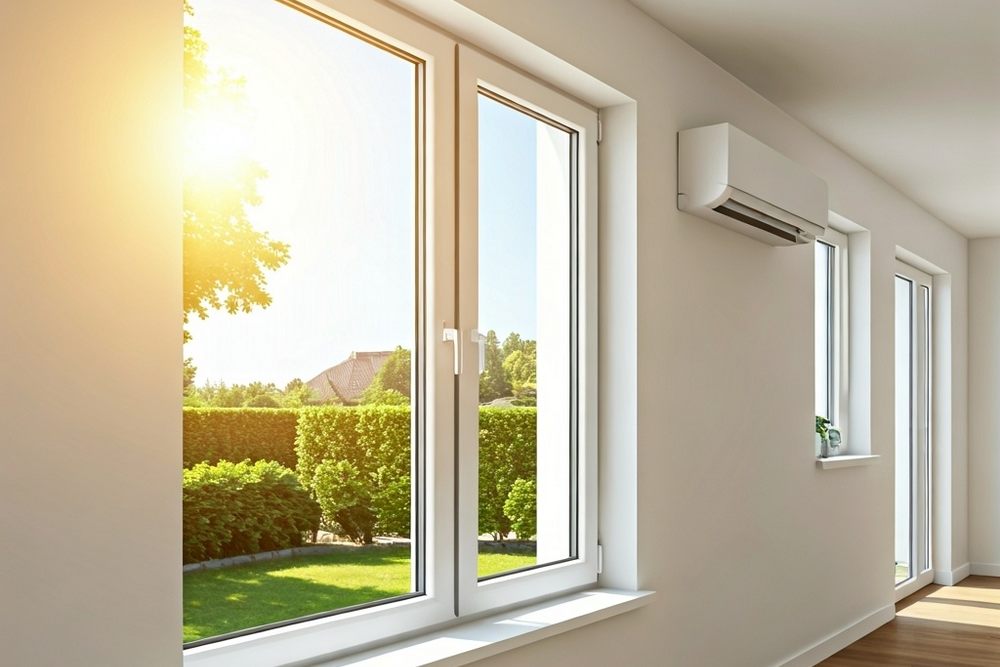
When you start thinking about home upgrades, windows might not be the first thing that comes to mind, but they can have a significant impact on comfort, energy use, and long-term costs.

When rain starts pouring, think about your roof first, not your windows. Yet aging or poorly sealed windows can quietly let water seep into your walls, trim, and flooring.
When storm clouds start to roll in, drafty or aging windows can quickly shift from a minor annoyance to a costly problem.